

Ford Brake Service Near Rochester
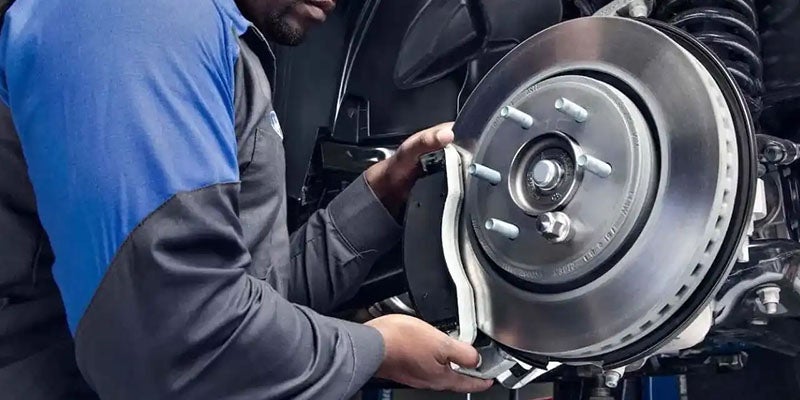
Stopping your vehicle reliably depends on every single component in your braking system working together in harmony. From friction pads and steel rotors to hydraulic lines, calipers, and master cylinders, routine care keeps these vital components functioning safely under demanding road conditions. Proper maintenance prevents excess friction, preserves responsive steering control, and protects everyone inside your vehicle on every drive across western New York. At our dealership, factory-trained technicians perform detailed assessments to maintain total stopping confidence for Rochester vehicle owners. Regular attention to hardware condition and hydraulic fluid levels provides predictable pedal feel and dependable stopping power in heavy stop-and-go traffic or emergency situations. Local drivers can easily schedule a service appointment online to keep their braking hardware performing according to original factory specifications on every road.
Schedule ServiceWhy Brake Service Is Worth Staying On Top Of
Neglecting regular brake care allows friction material to wear completely away, causing bare metal backing plates to grind directly against smooth rotor surfaces. This harsh metal-on-metal contact creates deep grooves that destroy rotors and damage expensive caliper assemblies beyond repair. Beyond high unexpected repair costs, worn friction components significantly increase total stopping distances during sudden traffic slowdowns or wet road conditions. Routine professional inspections identify thin friction pads early, preventing uneven tire wear and keeping vehicle handling stable during sharp turns or emergency maneuvers. Investing in timely fluid flushes and friction replacements preserves the structural integrity of heavy mechanical assemblies while protecting your long-term auto investment. Our dedicated service department provides precise care that helps Geneva area drivers maintain complete confidence behind the wheel through all seasonal driving conditions and winter travel.
When is it Time For Brake Service?
High-pitched squealing sounds, harsh metallic grinding, or a soft, mushy feeling when depressing the brake pedal indicate that critical hardware requires immediate professional evaluation. Steering wheel shaking or pedal pulsation during deceleration usually points to warped rotor surfaces, while vehicle pulling to one side suggests sticking caliper slides or uneven pad wear. Auto manufacturers generally recommend a thorough braking inspection every 10,000 to 12,000 miles or whenever unusual noises develop during daily travel. Having certified specialists evaluate pedal travel, fluid moisture content, and friction pad thickness provides clear answers before minor component wear causes broader mechanical damage across the system. We encourage Canandaigua commuters to arrange a thorough evaluation at the first sign of altered pedal response, dashboard brake warning lights, or unusual stopping sounds.
Why Brake Service Is Better Done at Tradition Ford
Factory-trained technicians complete rigorous instruction directly from the manufacturer, equipping them with deep technical knowledge that general repair facilities cannot duplicate. Tradition Ford installs genuine original equipment brake pads, rotors, and fluid formulations engineered specifically for your model to deliver optimal stopping force and precise fitment. Every service visit incorporates a comprehensive multi-point inspection that examines hydraulic lines, pad thickness, rotor surfaces, and caliper movement across the entire assembly. Checking our current service and parts specials reveals routine maintenance opportunities for area vehicle owners. Our team invites regional drivers to experience how our dedicated family-oriented dealership staff delivers accountable, high-caliber service that protects your vehicle for many years to come on local roads.
Frequently Asked Questions About Ford Brake Service
Most brake pads require replacement every 30,000 to 70,000 miles depending on driving habits, vehicle weight, and traffic conditions. Stop-and-go city commuting wears down friction material much faster than consistent highway travel. A routine inspection during regular oil changes helps determine the remaining pad life accurately.
Technicians inspect the thickness of front and rear friction pads, measure rotor surface wear, and check caliper hardware for proper movement. The inspection also evaluates brake fluid moisture levels, hydraulic lines for leaks, and parking brake engagement. This detailed process identifies potential issues before they compromise stopping performance or lead to larger repairs.
Many brake pads feature built-in metal wear indicators that emit a high squeal when the friction material drops below safe thickness. Moisture accumulation or surface dust can occasionally cause minor noise, but persistent squealing signals that pad replacement is necessary. Prompt inspection prevents the metal backing plate from grinding directly against the rotor surface.
Ignoring worn pads eventually leads to metal-on-metal contact that damages rotors and increases stopping distances. Overheated brake components can warp rotors and impair caliper function, creating safety risks during sudden deceleration. Timely service prevents extended component damage and keeps your braking system fully responsive.
Factory-certified technicians undergo specialized training focused specifically on Ford engineering standards and braking systems. Dealership service centers utilize genuine original equipment components designed to match your vehicle specifications perfectly. This exact fitment and technical precision ensure long-lasting durability and predictable pedal feel.